Available now
TCP · TLS · mTLS
Implemented and tested. Reconnection, metrics, OS service and TCP/TLS channel; optional mTLS.
One SerialGate. The transport changes; the application opening the serial port does not.
Connects existing applications to COM/tty ports, USB-serial hardware, Bluetooth and remote devices. The product identity remains stable on Windows, Linux, macOS and Android.
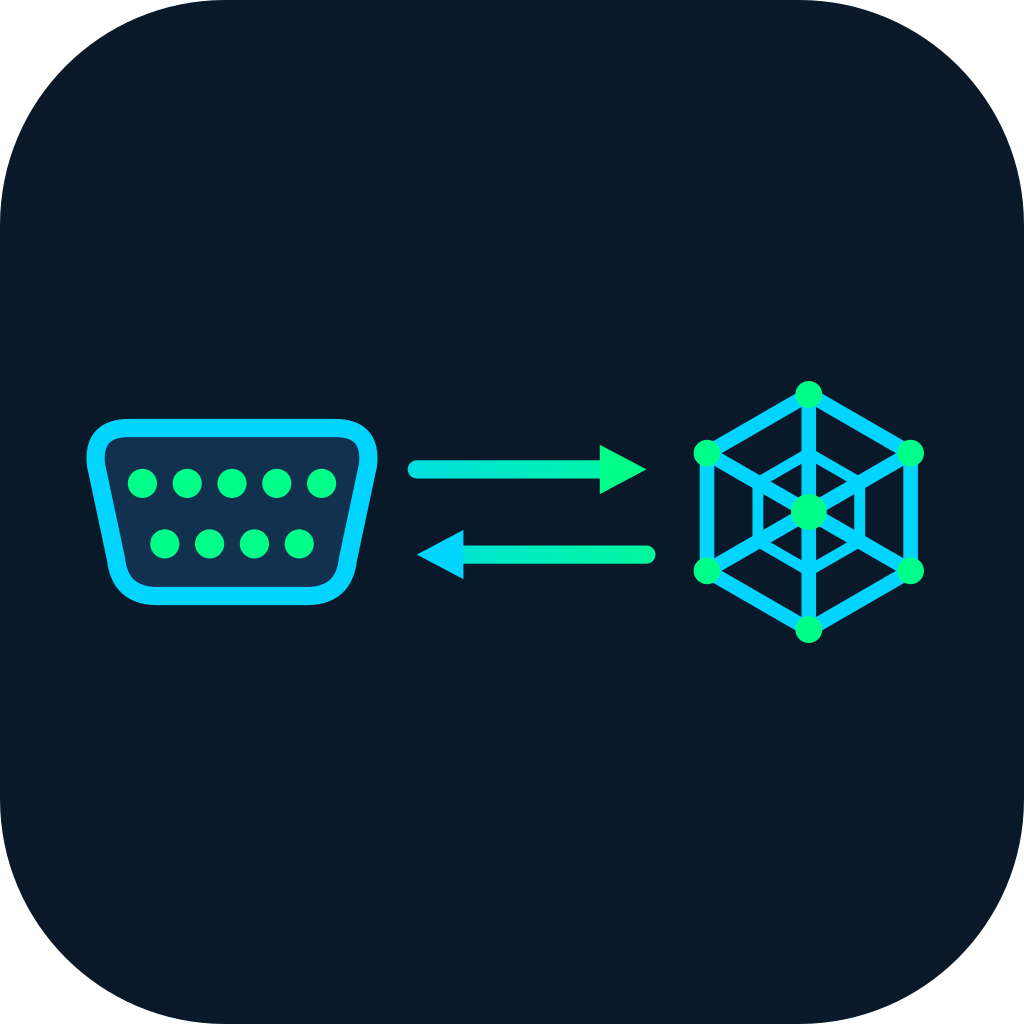
Raw TCP for compatibility, TLS for encryption and server authentication, and optional mTLS for mutual identity.
NNG, ZeroMQ and MQTT will use the same serial-v1 session contract; they are not separate products or finished capabilities.
Current raw mode preserves bytes. serial-v1 will add signals, settings, sequencing, leases, errors and capability negotiation.
Implemented and tested. Reconnection, metrics, OS service and TCP/TLS channel; optional mTLS.
Planned after serial-v1. pair/pair1 patterns and TLS/mTLS for message-oriented links.
Planned. Dealer/router or pair, with CURVE and authorized key lists for existing ZeroMQ topologies.
Planned. Per-session topics, TLS/mTLS and message security with expiry and deduplication.
Separately installed maintained com2com driver, GPL-2.0-only; commercial alternative under its EULA.
serialsim is the preferred base, GPL-2.0-or-later; it needs a fork, DKMS, CI and CTS improvements.
PTY/socat is data-only. Full serial needs a SerialDriverKit feasibility proof or physical null-modem hardware.
USB Host through usb-serial-for-android, MIT. It does not publish a global COM port for other apps.
Neither a PTY nor raw TCP preserves RTS/CTS, DTR/DSR/DCD, RI, BREAK and serial errors by itself. These capabilities will only be advertised as full-serial after serial-v1 and every backend pass the test matrix.